Seasonal Maintenance Checklist
A comprehensive year-round maintenance checklist for Winnipeg homeowners. Stay on top of seasonal cleaning and maintenance tasks to protect your home and prevent costly repairs.
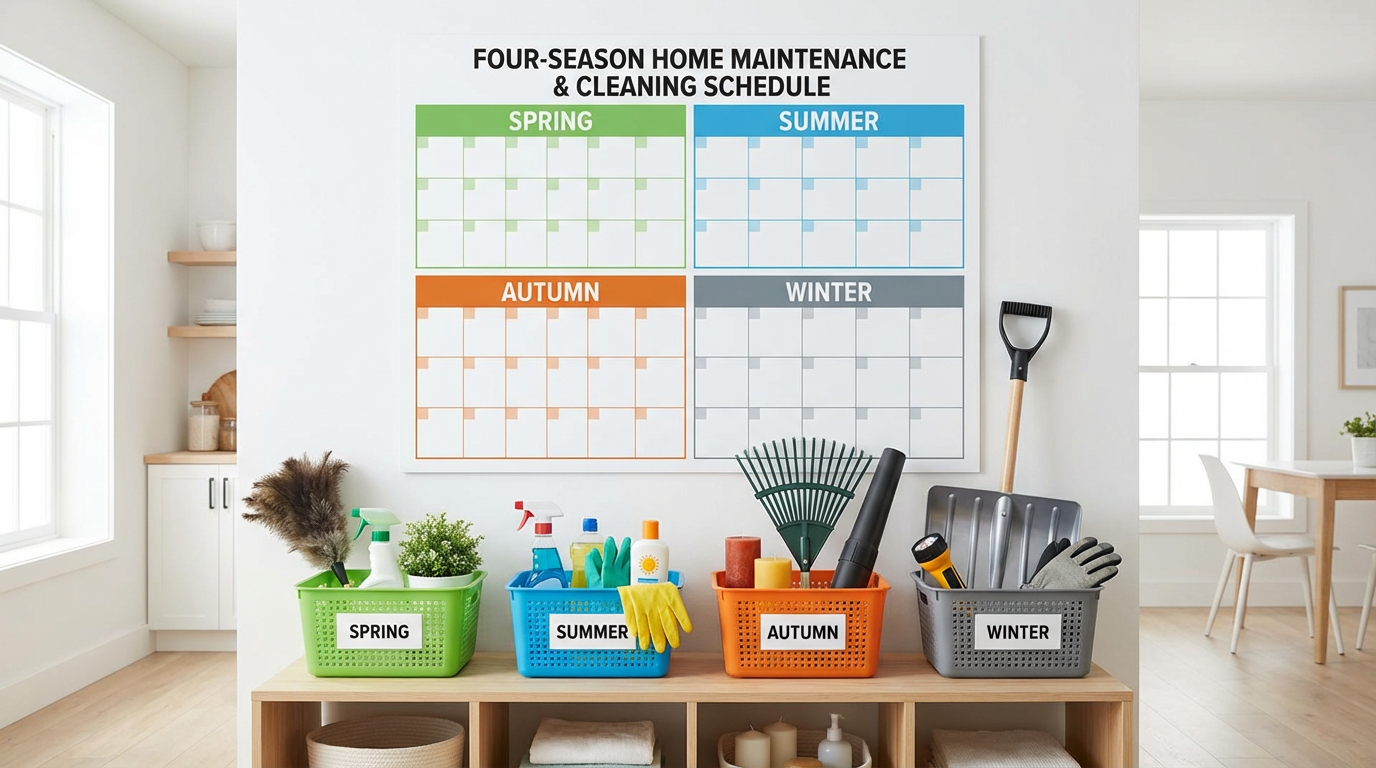
Seasonal Maintenance Checklist
Winnipeg's dramatic seasonal changes demand proactive home maintenance to protect your investment and prevent costly repairs. Manitoba's extreme temperature swings, from summer heat to winter cold reaching -40°C, stress homes in ways that milder climates never experience. This comprehensive seasonal maintenance checklist helps Winnipeg homeowners stay ahead of maintenance needs, ensuring their homes remain comfortable, efficient, and well-protected year-round.
Spring Maintenance (March - May)
Spring represents the most critical maintenance season for Winnipeg homes. After months of harsh winter conditions, homes require thorough inspection and repair to address winter damage and prepare for warmer months.
Exterior Inspection and Repairs
Begin by walking around your home's exterior, looking for winter damage. Check for loose or damaged siding, cracked caulking around windows and doors, and any signs of water infiltration. Manitoba's freeze-thaw cycles can create cracks and gaps that allow moisture intrusion, leading to more serious structural problems if left unaddressed.
Inspect your roof for missing or damaged shingles, particularly after winter storms. Look for granule loss on asphalt shingles, which indicates aging and reduced protection. Check flashing around chimneys, vents, and skylights for gaps or damage. According to the Canadian Home Builders' Association, roof damage accounts for 40% of home insurance claims in Manitoba, making spring roof inspection essential [1].
Clean gutters and downspouts thoroughly, removing leaves, twigs, and debris accumulated over winter. Ensure downspouts direct water at least six feet away from your foundation to prevent basement flooding—a common Winnipeg problem during spring melt.
Foundation and Basement
Inspect your foundation for cracks or signs of movement. Small cracks are normal, but cracks wider than 1/4 inch or showing horizontal movement require professional evaluation. Check basement walls for water stains, efflorescence (white mineral deposits), or musty odors indicating moisture problems.
Test your sump pump before spring rains arrive. Pour water into the sump pit until the float triggers the pump. Ensure it activates properly and discharges water away from your foundation. Consider installing a battery backup system for power outages during storms.
HVAC System
Schedule professional air conditioning maintenance before summer heat arrives. Technicians should check refrigerant levels, clean coils, inspect electrical connections, and ensure efficient operation. Change furnace filters and consider having ducts cleaned if you notice excessive dust or haven't had them cleaned in several years.
Windows and Doors
Remove storm windows and install screens. Clean windows inside and out, checking for cracked glass or damaged seals. Inspect weather stripping around doors and windows, replacing any that's worn or damaged. Proper sealing reduces energy costs and prevents moisture intrusion.
Lawn and Garden
Rake away dead grass and debris. Aerate and overseed lawn areas damaged by winter snow and ice. Trim dead branches from trees and shrubs. Inspect trees near your home for damage or disease that could pose risks during summer storms.
Clean and inspect outdoor furniture, grills, and play equipment. Check decks and fences for loose boards, protruding nails, or rot. Apply sealant or stain to wooden decks to protect against summer sun and moisture.
Summer Maintenance (June - August)
Summer offers ideal conditions for outdoor maintenance projects and preparing your home for the coming fall and winter.
Exterior Painting and Repairs
Complete exterior painting projects during warm, dry summer weather. Properly prepared and painted surfaces protect siding from moisture and UV damage. Repair and paint trim, shutters, and other exterior woodwork showing wear or damage.
Deck and Patio Maintenance
Clean decks thoroughly with appropriate cleaners for your deck material. Apply sealant or stain to wooden decks every 2-3 years to prevent weathering and rot. Inspect deck boards, railings, and stairs for loose fasteners or structural issues. Check concrete patios for cracks and seal them to prevent water infiltration and freeze-thaw damage next winter.
Driveway and Walkways
Fill cracks in asphalt driveways with crack filler to prevent water infiltration. Consider seal coating asphalt driveways every 2-3 years to extend their lifespan. Repair damaged concrete walkways and steps to prevent trip hazards and further deterioration.
Plumbing
Inspect outdoor faucets and hose connections for leaks. Check sprinkler systems for proper operation and adjust spray patterns to avoid wasting water on sidewalks or driveways. Inspect washing machine hoses for cracks or bulges, replacing them every 3-5 years to prevent flooding.
Chimney and Fireplace
Even though you won't use your fireplace for months, summer is the ideal time for chimney inspection and cleaning. Creosote buildup from winter fires poses fire hazards and should be professionally removed. Have the chimney cap inspected and replaced if damaged to prevent animal intrusion and water damage.
Garage
Clean and organize your garage. Check the garage door opener for proper operation and lubricate moving parts. Test the auto-reverse safety feature by placing an object in the door's path—it should reverse immediately upon contact. Inspect weather stripping at the bottom of the garage door and replace if worn.
Fall Maintenance (September - November)
Fall maintenance focuses on preparing your home for Manitoba's harsh winter conditions. Thorough fall preparation prevents winter emergencies and protects your home from cold-weather damage.
Heating System
Schedule professional furnace maintenance before heating season begins. Technicians should inspect the heat exchanger, clean burners, check gas connections, test safety controls, and ensure efficient operation. Change furnace filters monthly during heating season. According to Natural Resources Canada, proper furnace maintenance improves efficiency by up to 10% and extends equipment life [2].
Weatherization
Install storm windows and doors. Check and replace weather stripping around all exterior doors and windows. Apply plastic film insulation to windows in unused rooms or areas with poor window quality. Seal gaps around pipes, wires, and vents entering your home with caulk or expanding foam.
Gutters and Downspouts
Clean gutters and downspouts again after leaves fall. Clogged gutters cause ice dams in winter, leading to roof damage and interior water leaks. Consider installing gutter guards to reduce future cleaning needs. Ensure downspouts direct water away from your foundation.
Outdoor Faucets and Irrigation
Drain and shut off outdoor faucets before freezing temperatures arrive. Disconnect and store garden hoses. Drain sprinkler systems completely or have them professionally winterized with compressed air. Water left in pipes or sprinkler lines will freeze and cause expensive damage.
Lawn and Garden
Fertilize lawns with winterizing fertilizer to promote root growth and spring recovery. Rake leaves promptly—thick leaf layers smother grass and promote disease. Trim trees and shrubs, removing dead or damaged branches that could break under snow and ice loads.
Drain and store outdoor furniture, grills, and decorative items. Cover or store items that can't be brought indoors. Drain and winterize fountains, ponds, and other water features.
Roof and Attic
Inspect your roof one final time before winter. Look for damaged or missing shingles, deteriorated flashing, and clogged roof valleys. Check attic insulation and ventilation. Proper attic ventilation prevents ice dams by keeping roof surfaces cold and uniform in temperature.
Chimney and Fireplace
If you didn't complete chimney maintenance in summer, do it now before using your fireplace. Stock up on firewood, storing it at least 20 feet from your home to prevent pest problems. Test smoke and carbon monoxide detectors, replacing batteries and units as needed.
Winter Maintenance (December - February)
Winter maintenance focuses on monitoring your home's performance during extreme conditions and addressing problems promptly to prevent damage.
Snow and Ice Management
Remove snow from walkways, driveways, and entrances promptly to prevent ice buildup and maintain safe access. Use ice melt products sparingly—excessive use damages concrete and vegetation. Consider hiring professional snow removal services if you're unable to keep up with Winnipeg's heavy snowfall.
Monitor your roof for excessive snow accumulation. While most Winnipeg roofs are designed for heavy snow loads, unusual accumulations or ice dams may require professional snow removal. Never attempt to remove roof snow yourself—it's dangerous and you could damage roofing materials.
Ice Dam Prevention and Management
Watch for ice dams forming at roof edges. Ice dams occur when heat escaping through your roof melts snow, which refreezes at colder roof edges, creating dams that trap water. This trapped water can leak into your home, causing significant damage.
Prevent ice dams through proper attic insulation and ventilation. If ice dams form, carefully remove snow from roof edges using a roof rake (used from the ground). Never chip away ice—you'll damage shingles. For severe ice dams, contact professionals who use steam to safely remove ice without roof damage.
Heating System Monitoring
Change furnace filters monthly during winter. Monitor your heating system's performance, noting unusual noises, odors, or cycling patterns. Address problems immediately—furnace failures during -30°C weather create emergencies requiring expensive emergency service calls.
Keep vents and registers clear of furniture, drapes, and other obstructions. Blocked vents reduce efficiency and create uneven heating. Consider using a humidifier to maintain comfortable humidity levels—winter air in Winnipeg homes can become extremely dry, causing health issues and damage to wood furnishings.
Plumbing Protection
Prevent frozen pipes by maintaining consistent indoor temperatures, even when away from home. Open cabinet doors under sinks during extreme cold to allow warm air circulation around pipes. Let faucets drip slightly during severe cold snaps—moving water is less likely to freeze.
Know where your main water shutoff valve is located and how to operate it. In case of frozen or burst pipes, quick action minimizes damage. Keep a plumber's contact information readily available for emergencies.
Indoor Air Quality
Winter's sealed homes trap pollutants, reducing indoor air quality. Run bathroom and kitchen exhaust fans when showering or cooking to remove moisture and odors. Consider using air purifiers in bedrooms or main living areas. Open windows briefly on milder days to exchange stale indoor air with fresh outdoor air.
Monitor humidity levels with a hygrometer. Ideal indoor humidity ranges from 30-40% in winter. Higher humidity promotes mold growth and condensation problems. Lower humidity causes dry skin, respiratory irritation, and damage to wood furnishings.
Safety Checks
Test smoke and carbon monoxide detectors monthly. Winter heating systems and fireplace use increase carbon monoxide risks. Ensure detectors are installed on every level of your home and near sleeping areas.
Keep emergency supplies on hand including flashlights, batteries, bottled water, non-perishable food, and blankets. Manitoba winter storms can cause power outages lasting hours or days. Having supplies ready ensures your family's safety and comfort during emergencies.
Year-Round Maintenance Tasks
Some maintenance tasks require attention throughout the year regardless of season.
Monthly Tasks
- Change HVAC filters
- Test smoke and carbon monoxide detectors
- Check for plumbing leaks under sinks and around toilets
- Clean kitchen exhaust hood filters
- Inspect fire extinguishers
Quarterly Tasks
- Clean dryer vent and ductwork
- Inspect and clean range hood
- Check water heater for leaks or corrosion
- Test garage door auto-reverse safety feature
- Clean refrigerator coils
Annual Tasks
- Professional HVAC maintenance (spring for AC, fall for furnace)
- Chimney inspection and cleaning
- Water heater flushing
- Septic system inspection (if applicable)
- Professional duct cleaning (every 3-5 years)
Creating Your Personal Maintenance Schedule
Adapt this checklist to your home's specific needs. Older homes may require more frequent inspections and maintenance. Homes with specific features like pools, hot tubs, or complex landscaping need additional maintenance tasks.
Create a calendar or use a home maintenance app to schedule tasks and track completion. Set reminders for seasonal tasks so they don't get overlooked. Keep records of maintenance performed, including dates, costs, and service providers. These records help you track patterns, plan budgets, and provide valuable information to future buyers if you sell your home.
When to Call Professionals
While many maintenance tasks are DIY-friendly, some require professional expertise. Hire qualified professionals for:
- Electrical work beyond simple switch or outlet replacement
- Gas appliance repairs or installations
- Roof repairs or replacement
- Foundation repairs
- HVAC system repairs
- Chimney repairs or relining
- Major plumbing repairs
Attempting complex repairs without proper knowledge and tools risks personal injury, property damage, and code violations that could affect insurance coverage or home resale value.
Conclusion
Regular seasonal maintenance protects your Winnipeg home from Manitoba's extreme weather conditions, prevents costly emergency repairs, and maintains your property's value. By following this comprehensive checklist and adapting it to your home's specific needs, you ensure your home remains safe, comfortable, and efficient throughout the year.
For tasks beyond your capabilities or time constraints, explore our directory of Winnipeg cleaning and maintenance services. Professional help with seasonal cleaning, gutter maintenance, window cleaning, and other tasks keeps your home in top condition while freeing your time for other priorities.
References
[1] Canadian Home Builders' Association. (2023). Home Maintenance and Insurance Claims in Manitoba. CHBA Industry Reports.
[2] Natural Resources Canada. (2024). Home Heating Efficiency and Maintenance Guidelines. NRCan Energy Publications.
Related Articles
Discover the top-rated cleaning companies in Winnipeg for 2024. From residential to commercial services, find the perfect cleaning solution for your needs.
Learn how to select the right cleaning company for your Winnipeg home or business. Essential tips on vetting cleaners, understanding pricing, and ensuring quality service.
Understand the key differences between commercial and residential cleaning services in Winnipeg. Learn which type of service your space needs.
Found this helpful? Share it with others looking for cleaning services in Winnipeg.